
En Garde!
France Has Declared War on Ultra-Fast Fashion. The Rest of the World Should Pay Attention.

Also in this issue:
Chanel buys the French heritage haberdasher Charvet
Inside Madonna’s album release party with Grindr in London.
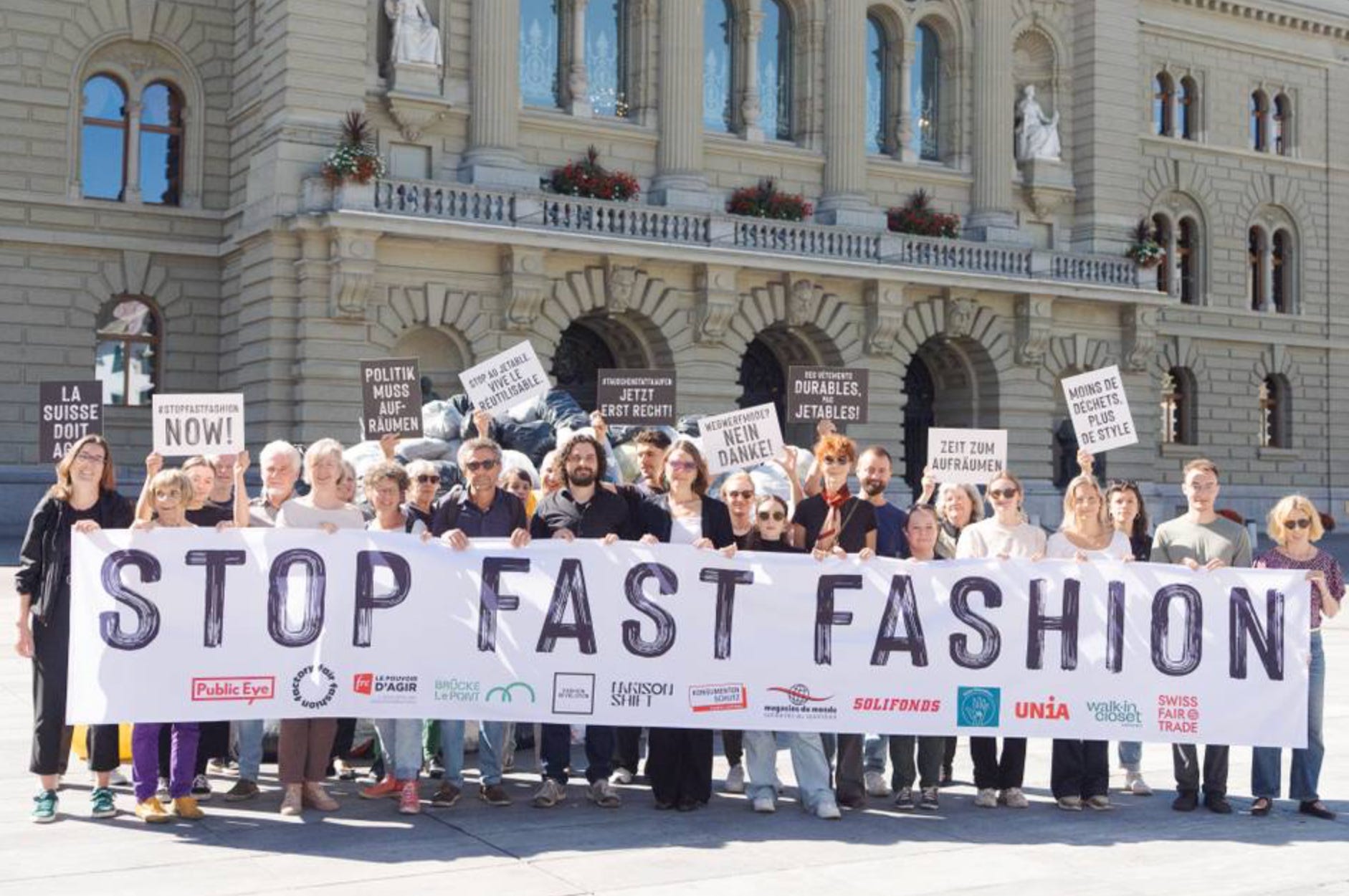
For years, I have argued that the fashion industry does not have a consumption problem; it has an overproduction problem.
As I argued in my book, Fashionopolis: The Price of Fast Fashion and the Future of Clothes, the fashion has built a system that rewards brands for producing endless amounts of clothing—more than a hundred billion items a year now—as cheaply, and quickly as possible, while shunting the environmental and human damage onto communities (usually in developing nations), garment workers (usually paid half—or less—a living wage, and treated like forced labor), and, ultimately, all of us (we now have polyester’s microfibers in our air, our waterways, and our blood).
This week, France became the first major country to try to do something meaningful about it. After more than two years of debate, the French Senate approved legislation aimed squarely at the new generation of ultra-fast-fashion giants—Shein, Temu and AliExpress. Unlike previous attempts to regulate fashion, this law recognizes something important: ultra-fast fashion is not simply an accelerated version of Zara or H&M. It is an entirely different business model.
The proposed law would impose environmental penalties ranging from €0.25 to €6 per garment initially, rising to as much as €10 by 2030. Even more striking, it would prohibit advertising by ultra-fast-fashion companies and ban influencers from promoting them. The legislation still requires presidential signature before taking effect, but, politically, it is a pivotal moment.
“What is at stake today is not just clothes, but the societal model we want to defend,” Serge Papin, France’s minister for small enterprises, told legislators before the vote. “The industry targeted by this bill is one that floods our markets with disposable fashion, with clothes worn only a few weeks before being thrown away.”
That may be the most important sentence uttered in any parliamentary debate about fashion in years. This debate has never really been about the democratization of fashion: making clothes so cheap that anyone can afford them; it’s about whether democracies should allow algorithms to encourage consumers to buy astonishing amounts of clothes designed to be tossed after only a few wears, if that.
